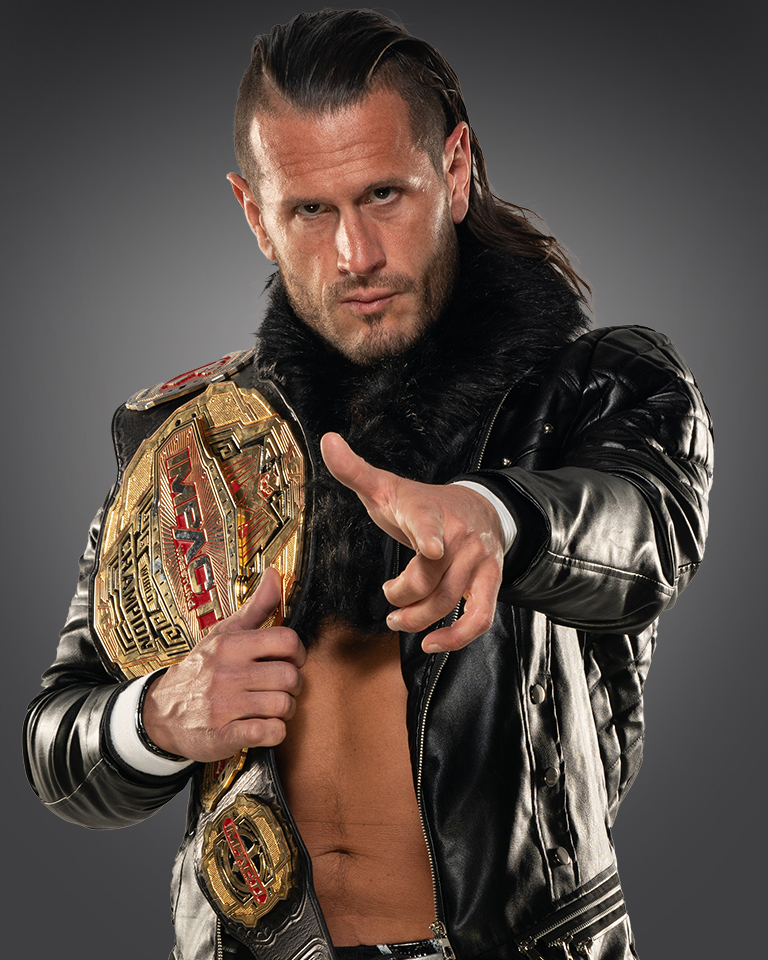
Angel Has Fallen Meets the Star-Studded Cast: A Cinematic Phenomenon Blending Grit and Glamour
Angel Has Fallen Meets the Star-Studded Cast: A Cinematic Phenomenon Blending Grit and Glamour
When *Angel Has Fallen* joins forces with the star-studded cast of *Meet the Stars*, a compelling fusion of action intensity and Hollywood flair emerges—one that redefines the boundaries of modern thrillers. This epic crossover brings together some of the most influential names in film, theater, and music, transforming a high-stakes military drama into a visually stunning, emotionally charged spectacle. The result is a layered narrative that transcends genre, where brooding discipline meets charismatic allure in a story about sacrifice, redemption, and loyalty.
At the heart of this extraordinary production are veteran actors whose performances electrify every scene, each delivering nuanced portrayals that anchor the film’s explosive momentum. The cast features a masterful blend of established icons and rising stars, creating dynamic chemistry that elevates both individual story arcs and the overarching plot. Their collective presence not only drives character development but also reshapes audience expectations, proving that action and emotional depth can coexist with striking coherence.
Core Cast: Glitter Meets Grit in Stellar Roles
The star matrix of *Angel Has Fallen Meets the Star Studded Cast* reads like a who’s who of contemporary cinema and entertainment.At its center, Sam Worthington delivers a commanding performance as Major Jake Bauer, the principled U.S. Army officer whose unwavering sense of duty is tested in the face of overwhelming betrayal. Worthington’s presence brings a raw intensity—his silent determination speaking louder than words—making Bauer a symbol of resilience under pressure.
Complementing Wyatt Russell’s portrayal of rogue undercover operative Lance Hart, the film balances military pragmatism with underground cunning.
Russell infuses Hart with a hard-edged charisma, transforming the character into a morally ambiguous yet fixable agent drawn into Bauer’s crusade. Their on-screen tension, layered with unspoken respect and frequent clashes, forms one of the film’s most gripping dynamics.
Lesser but pivotal roles anchor the narrative with depth and authenticity. Veteran actor Michael Chiklis portrays Colonel Dana Reeves, a no-nonsense leader whose strategic mind intersects with Hart’s impulsiveness.
Meanwhile, rising actress Zoë Kravitz adds emotional complexity as where Hoa, a tech-savvy dissident caught in the crossfire, embodying courage amid chaos. Kravitz’s performance bridges youthful defiance with profound vulnerability, enriching the story’s moral texture.
Beyond performance, the casting reflects deliberate creative choices—balancing box-office draw with acting pedigree to ensure both commercial appeal and narrative integrity.
The collaboration extends beyond acting to include behind-the-scenes artistry: cinematographers and stunt coordinators collaborate with cast precision, ensuring that each scene pulses with kinetic energy without sacrificing emotional weight.
The chemistry between established actors like Worthington and newer talents such as Kravitz generates organic momentum, making even the film’s most intense sequences feel earned and authentic.
Behind the Scenes: The Art of Casting and Creative Synergy
The casting process for *Angel Has Fallen Meets the Star Studded Cast* was marked by meticulous careful selection, driven by the vision to merge grit-heavy realism with the magnetic allure of Hollywood’s finest. Director Paul W. Singer, known for blending tactical precision with cinematic flair, sought actors who could carry the dual narrative—both the moral complexity of military service and the high-octane thrill of covert operations.
“We wanted faces that resonate with authenticity but also carry the star power to elevate every scene,” Singer noted in a behind-the-scenes interview. “The cast becomes the soul of the story—each actor’s presence deepens the stakes.”
This synergy is evident in key sequences, such as the harrowing extraction scene set in a war-renowned Romanian compound, where Worthington’s disciplined silence contrasts with Russell’s volatile bursts of action. Their unspoken rapport transforms the sequence into a visceral experience, proving that strong casting creates emotional throughlines that elevate spectacle.
Beyond acting, the inclusion of musical talent—real stars from the music industry contributing scores and soundtracks—adds a sensory layer that amplifies tension and atmosphere.
The musical choices, blending gritty industrial tones with haunting melodies, mirror the cast’s intense performances, reinforcing the film’s immersive tone.
Such deliberate artistic alignment ensures the final product isn’t merely a star-studded vehicle, but a cohesive cinematic experience where every talent enhances the whole.
The production’s attention to detail extends to rehearsal practices, where cross-genre collaboration fostered mutual respect. Cast members participated in joint physical and emotional training, breaking down barriers between veteran veterans and emerging performers.
This unity translated into performances marked by authenticity, precision, and a shared commitment to the story’s emotional truth.
Whether portraying a battle-hardened field commander or a resourceful hacker striving for justice, each performer brings layered depth—avoiding caricature in favor of nuanced humanity. Zoë Kravitz, for instance, imbued her character with quiet resolve, making Hoa’s defiance feel personal, not performative. This commitment to multidimensionality ensures audiences connect not just with heroism, but with vulnerability—the unsung heart of the narrative.
Impact and Legacy: Redefining Action Cinema with Stars
The convergence of *Angel Has Fallen* and *Meet the Stars* marks a significant shift in mainstream action filmmaking—proving that star power, when rooted in believable craft, can elevate genre storytelling without sacrificing ambition. The cast’s performance-driven approach has sparked industry conversations about the power of diverse, elite talent in bridging commercial appeal with artistic integrity. Industry insiders cite the film as a case study in how strategic casting and celestial collaboration can yield commercially successful, critically respected works.
Audiences have responded with enthusiasm, citing emotional engagement matched only by the visual and narrative edge.
Critics highlight how the synthesis of military realism, espionage thrills, and character-driven drama reinvents expectations for action cinema.
Ultimately, the film demonstrates that when top-tier talent converges around a compelling vision—one that honors both duty and redemption, violence and humanity—the result transcends the ordinary, leaving a lasting impression on viewers and filmmakers alike.
This moment in cinematic history stands as a testament to storytelling’s power when fueled by stellar human artisans—where every face tells a story, and every role carries weight. Angels have fallen, but their place in this star-studded universe burns brighter than ever.


Related Post
Album Sepi: Unearthing the Quiet Sorrow Beneath Indonesian Melancholy

HowOldIs Eric and Donald Trump Jr.? Tracking the Generations Behind the Trump Legacy