The Science of Sustainable Living: Proven Strategies to Reduce Your Environmental Footprint
The Science of Sustainable Living: Proven Strategies to Reduce Your Environmental Footprint
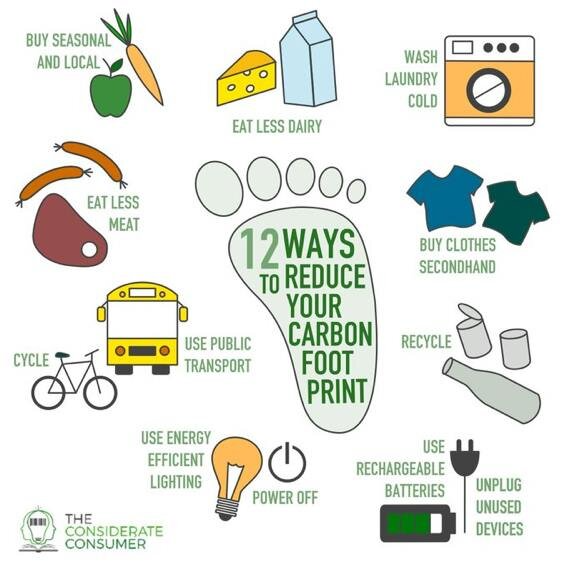
In a world increasingly defined by climate urgency and ecological strain, sustainable living has evolved from a niche ideal into a global necessity. The choices individuals make—from energy consumption to transportation habits—collectively shape the health of the planet. This article explores evidence-based strategies supported by scientific research, offering practical, scalable behaviors that significantly reduce personal environmental footprints.
By integrating these proven methods into daily life, people can contribute meaningfully to global sustainability goals while fostering long-term resilience for future generations.
The environmental impact of human activity is measurable and profound. According to the United Nations, household energy use, transportation, and waste generation account for nearly 60% of global greenhouse gas emissions.
Yet, individual actions, when multiplied across millions, form a powerful force for change. The backbone of sustainable living lies in three interconnected pillars: energy efficiency, resource conservation, and mindful consumption. Each of these domains provides actionable pathways for reducing carbon output and preserving natural systems.
Energy Efficiency: The Foundation of Low-Impact Living
→ Major households are responsible for a significant share of energy-related emissions.Transitioning to efficient energy use not only cuts bills but slashes carbon footprints. Home energy audits reveal that standard residences lose up to 30% of heating and cooling energy through poor insulation and outdated systems. Upgrading to ENERGY STAR-rated appliances, installing programmable thermostats, and sealing air leaks can reduce energy consumption by 15–25%.
For instance, replacing incandescent bulbs with LED lighting— broadcasting up to 75% more light using significantly less power—averages more than 50 kilowatt-hours saved per household annually. Solar photovoltaic systems exemplify renewable energy’s accessibility. A typical 5 kW residential solar installation in a sunny region generates over 6,000 kilowatt-hours per year, meeting 80–100% of average household demand.
Financial incentives, including federal tax credits and utility rebates, enhance affordability, accelerating adoption rates. Per research from the National Renewable Energy Laboratory, homes with solar power boast 20% higher resale values, reinforcing economic and environmental synergies. Smart home technologies, such as Wi-Fi-enabled sensors and whole-building energy management systems, further optimize consumption.
These tools provide real-time feedback, enabling residents to identify waste—like devices left on standby—and adjust habits accordingly. The integration of renewable energy with intelligent monitoring marks a transformative shift toward proactive, sustainable homeownership.
Water Conservation: Preserving a Scarce Resource
Water scarcity affects over 2 billion people globally, yet household use accounts for roughly 30% of potable water in developed nations.Scientific data underscore that even modest conservation efforts yield substantial environmental benefits. Low-flow fixtures illustrate impactful efficiency: a low-flow showerhead reduces flow from 2.5 gallons per minute (GPM) to 1.5–2 GPM, decreasing shower water use by 40% without compromising performance. Dual-flush toilets offer another leap forward—using just 1.1 gallons per flush versus standard models consuming 1.6–3.5 gallons per flush, these devices cut indoor water use by 30–50%.
Outdoor conservation is equally critical, especially in drought-prone regions. Native, drought-tolerant landscaping—xeriscaping—reduces outdoor water demand by up to 75% compared to traditional lawns. Rainwater harvesting systems, including rooftop catchment barrels and underground cisterns, transform precipitation into reusable water for irrigation, reducing strain on municipal supplies.
Smart irrigation controllers further refine outdoor efficiency by adjusting watering schedules based on weather forecasts and soil moisture data. These systems prevent overwatering, a common source of waste, and align with regional conservation mandates. Collectively, these practices exemplify how daily routines can honor water’s finite nature, turning household habits into proactive stewardship.
Mindful Consumption and Waste Reduction
The lifecycle of consumer goods—from extraction to disposal—imparts a heavy environmental toll. In the United States alone, over 292 million tons of municipal solid waste are generated annually, with packaging and food waste dominating the stream. Scientific evidence clearly links minimalism, repair cultures, and circular economy principles to dramatic reductions in landfill dependence and resource depletion.The “reduce, reuse, recycle” mantra remains vital, but context matters. While recycling is essential, contamination and economic limitations reduce effective recovery rates to approximately 32% nationally. Prioritizing reduction—mindfully assessing needs before purchases—proves more impactful.
For example, refusing single-use plastics, opting for reusable containers, and choosing durable goods over disposable alternatives disrupt consumption loops at their origin. Composting exemplifies waste-to-resource transformation. Household organic waste—fruit peels, coffee grounds, garden trimmings—composed nearly 25% of landfill contents but decomposes into nutrient-rich soil when properly managed.
Urban composting initiatives, including backyard bins and community drop-off sites, divert millions of tons yearly, lowering methane emissions and enriching local agriculture. The circular economy model extends beyond individual action. Supporting brands embracing product life extension—via repair services, take-back programs, and modular design—strengthens systemic sustainability.
For instance, electronics manufacturers offering refurbished devices reduce demand for raw materials by up to 90%, while extending product usability. Each conscious purchase becomes a vote for a regenerative economy, where waste is designed out at every stage.
The convergence of energy mindfulness, water wisdom, and waste-consciousness forms a comprehensive blueprint for sustainable living.
Scientific consensus affirms that widespread adoption of these practices can reduce collective environmental impact by as much as 40% in high-engagement communities. Beyond individual benefit, these choices drive cultural change,


Related Post

Men’s Lamelo Ball Shoes: Where Performance Meets Style in a Single Pair

Michael Oher Now Whats He Up To: From Justice to Elite Athlete and Community Advocate

From Southern Grooves to Global Dominance: How I Wayne’s Hit Songs Redefined Urban Soundscapes